
Palos Verdes Equestrian Enclave
Listings in Rolling Hills Estates, CA
Welcome to Rolling Hills Estates, an equestrian-oriented city on the northern Palos Verdes Peninsula, known for its bridle trails, open space, and coastal views.
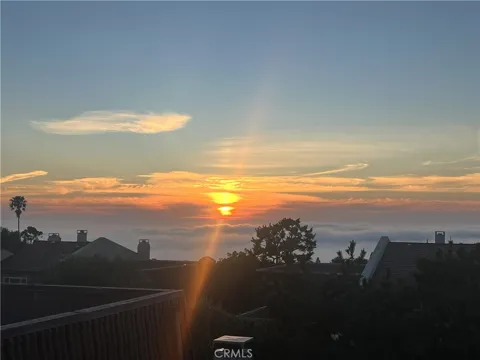
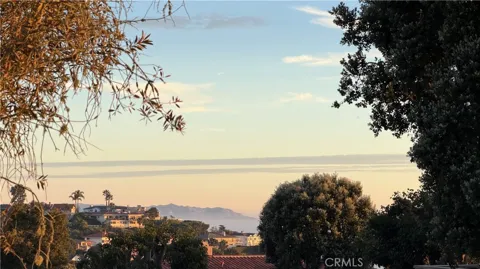
Rolling Hills Estates is an affluent city in Los Angeles County, California, situated on the northern side of the Palos Verdes Peninsula, where the hills rise above the South Bay and face the city of Torrance to the north. It is one of four communities that make up the peninsula—along with Palos Verdes Estates, the gated city of Rolling Hills, and Rancho Palos Verdes—and is predominantly residential, with sweeping views toward the Los Angeles basin and the Pacific Ocean. The city was incorporated in 1957, developed as a planned community carved from former ranch land. From the outset, its founders emphasized a bucolic, equestrian character: rolling hills, large residential lots, white-fenced bridle trails, and abundant open space. That identity has been carefully maintained, and the city continues to operate its own stables and tennis club alongside a network of parks and trails. Rolling Hills Estates owns and maintains seven parks, approximately 25 miles of equestrian trails, and 10 miles of bicycle paths, with landmarks such as Ernie Howlett Park providing walking, running, and biking routes. Golf courses, including the Palos Verdes Golf Club, and the peninsula's coastal open space extend the recreational landscape. Public schools are part of the Palos Verdes Peninsula Unified School District, consistently ranked among California's strongest, which is a significant draw for families. With its affluent estate housing, equestrian culture, and proximity to Torrance, the South Bay, and Los Angeles, Rolling Hills Estates offers a distinctly rural-in-the-city way of life on one of Southern California's most scenic peninsulas.
Get more information about Rolling Hills Estates
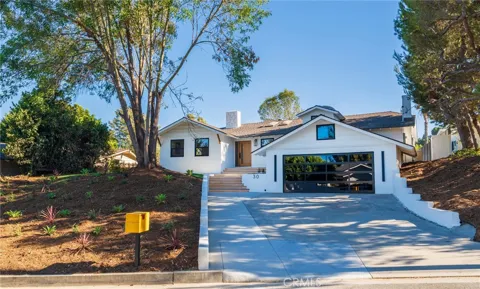
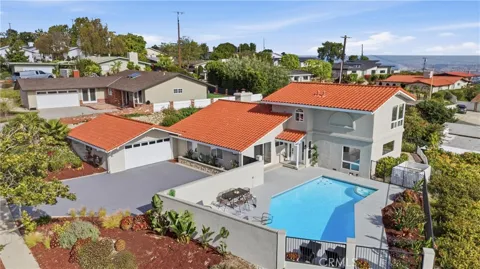
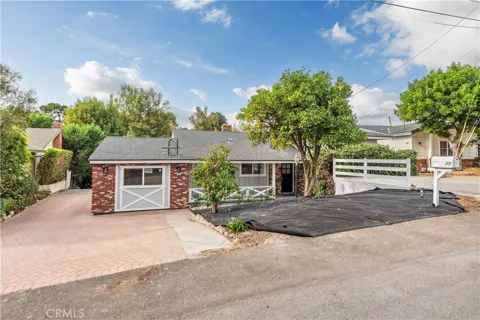
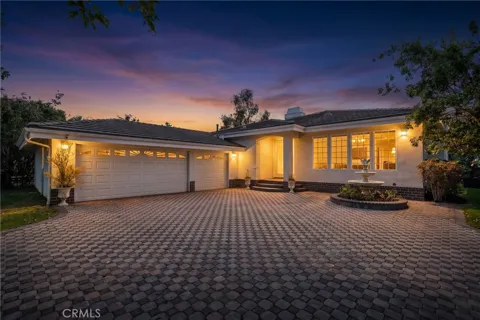
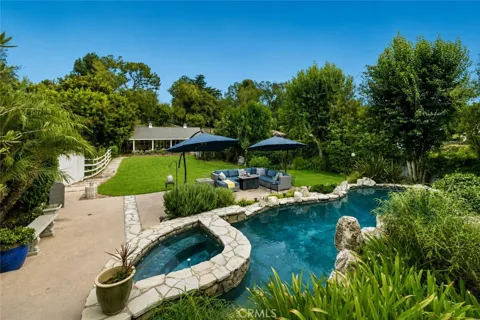
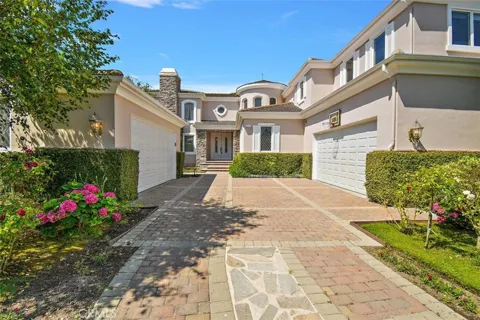
Houses in Rolling Hills Estates, CA
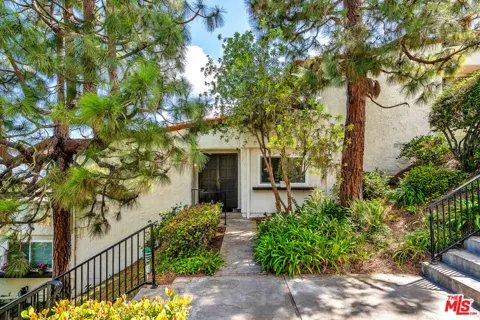
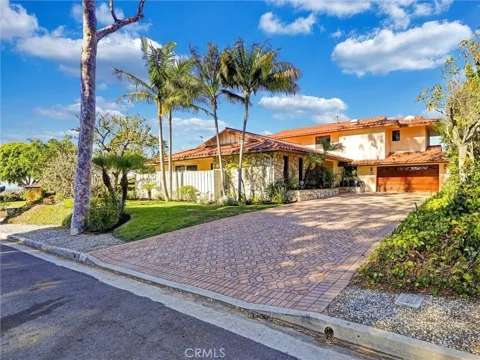
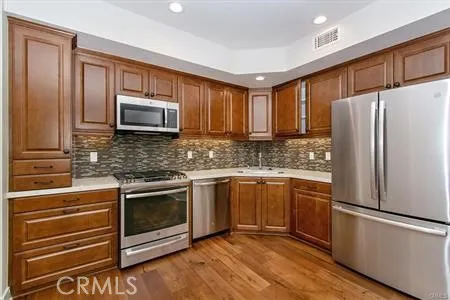
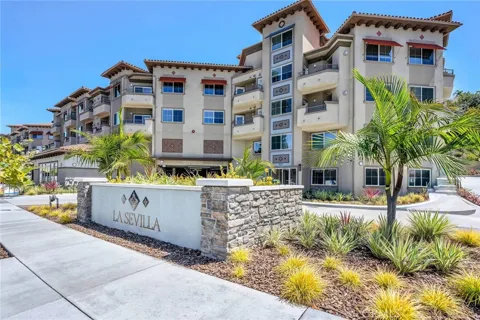
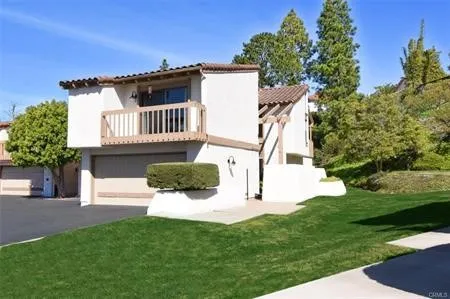
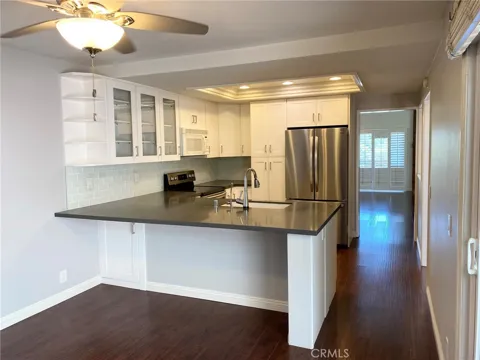
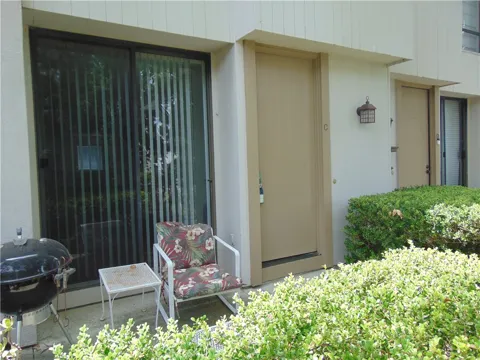
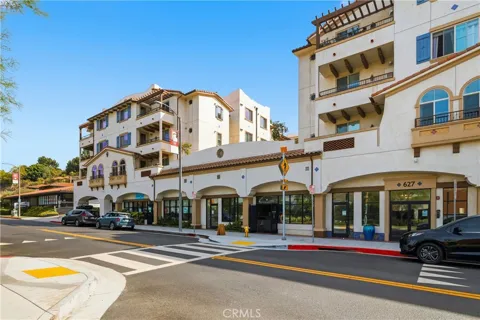
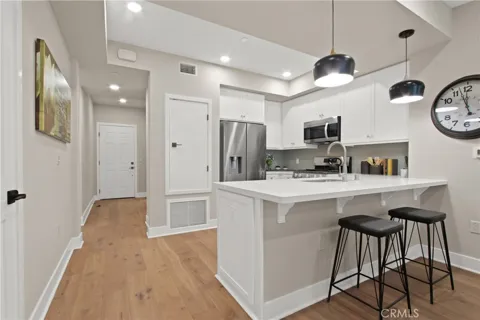
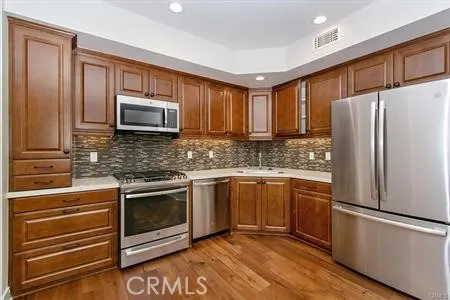
Townhouses & Duplexes in Rolling Hills Estates, CA
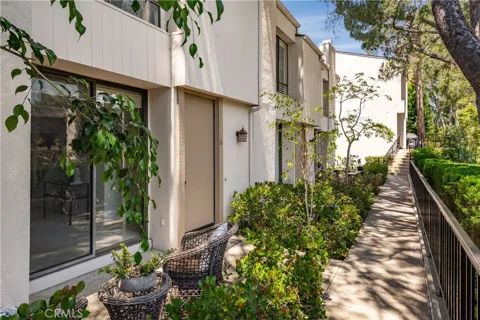
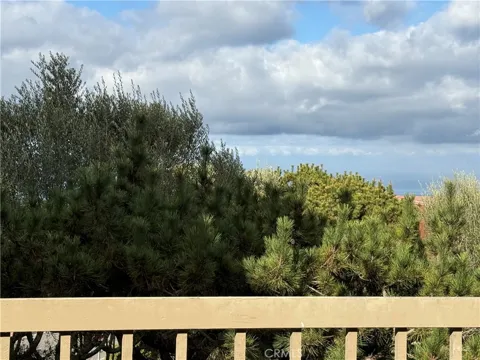
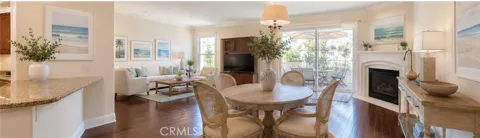
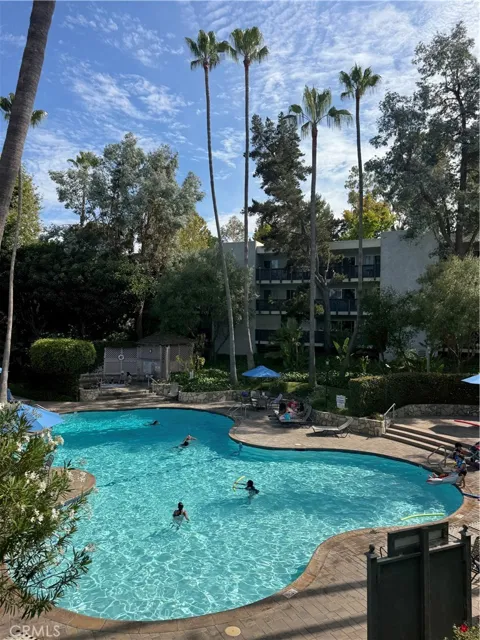
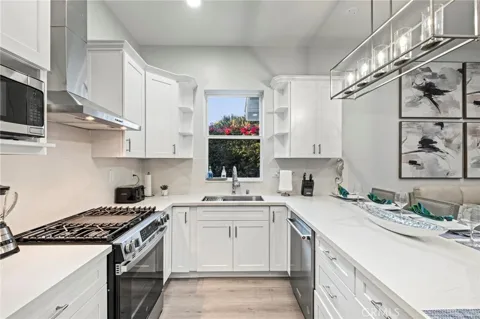
Condos & Apartments in Rolling Hills Estates, CA
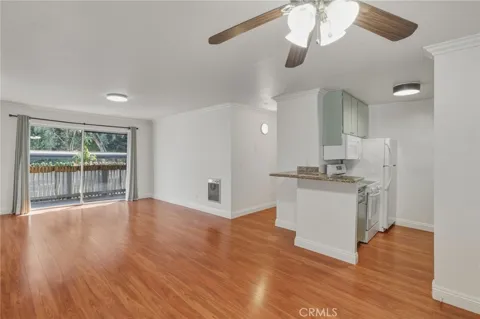
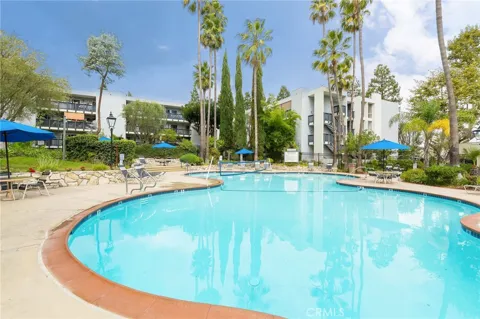
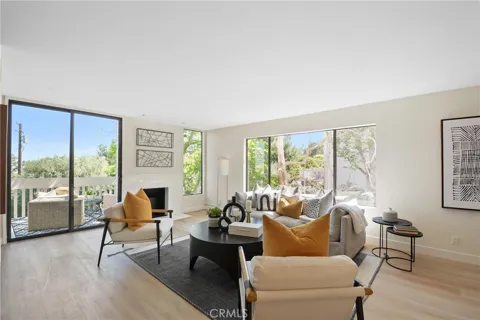
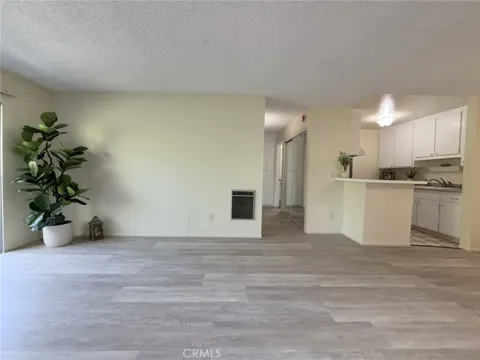
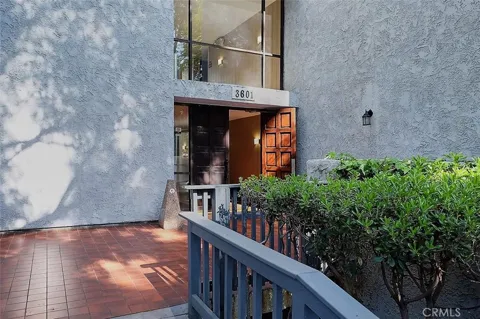
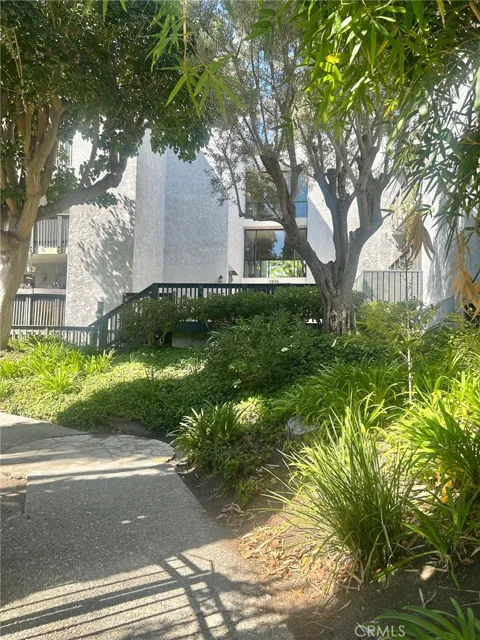
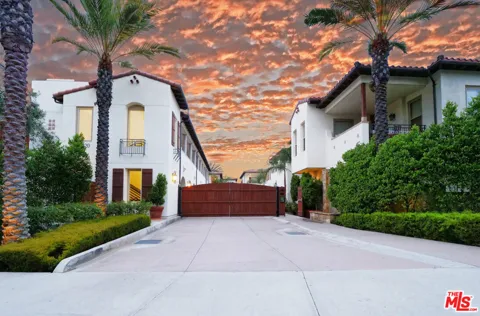
For Rent in Rolling Hills Estates, CA
MARKET SNAPSHOT
The Market at a Glance
How homes have been selling here over the last 90 days.
Price & Sales History
Market data reflects closed sales over the last 90 days and is provided for informational purposes.
Zip Codes
BROWSE BY ZIP
Browse listings by postal code in this area.
City Guide
About Rolling Hills Estates
Real Estate & Housing
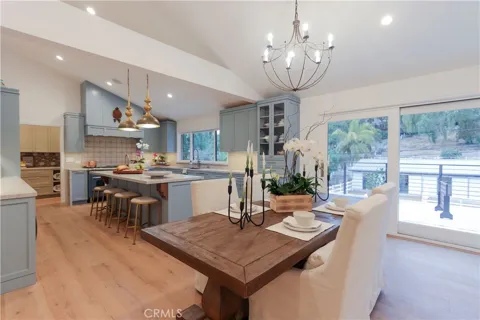
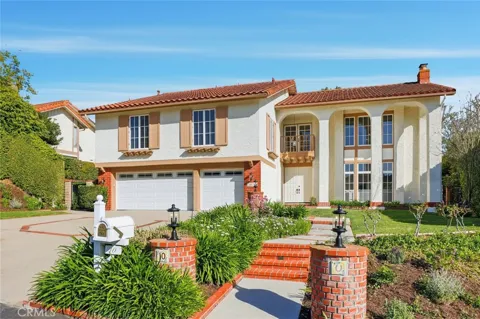
Rolling Hills Estates' housing stock reflects its planned, equestrian origins. The city consists largely of custom single-family homes set on generous lots across rolling terrain, with white-fenced properties and, in places, dedicated horse facilities and stable access. The housing character is low-density and estate-oriented, quite different from the tract subdivisions of the neighboring South Bay cities. Much of the stock was built during the city's post-1957 build-out and since expanded or replaced, resulting in an affluent, established market. Buyers are drawn by the peninsula's prestige, lot sizes, views, and the equestrian lifestyle the community has worked to preserve.
Neighborhoods
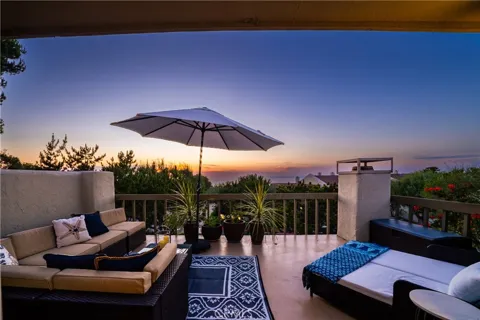
Rolling Hills Estates is a mostly residential city whose neighborhoods unfold across the rolling northern slopes of the Palos Verdes Peninsula. Rather than dense grids, the community is composed of large-lot, hillside residential areas connected by bridle trails and open space. It is one of four peninsula cities—alongside the gated city of Rolling Hills, coastal Palos Verdes Estates, and larger Rancho Palos Verdes—that together define this affluent corner of Los Angeles County. Within the city, neighborhoods vary from estate properties with equestrian access to hillside homes with ocean and city views, all sharing the area's signature low-density character.
Lifestyle in Rolling Hills Estates
Rolling Hills Estates is defined by an equestrian, outdoor-oriented lifestyle. White-fenced bridle trails, horse paths, and its own city stables anchor a culture built around riding, while parks, tennis, golf, and hillside trails fill daily life with open-air activity. The city's deliberately bucolic character—large lots, rolling hills, and carefully preserved open space—sets it apart from the dense suburbs just north of the peninsula. Community life is marked by civic engagement, neighborhood events, and a shared commitment to maintaining the area's rural-in-the-city feel. Residents enjoy a quiet, nature-centered pace minutes from Torrance, the South Bay, and the coast.
Schools & Education
Rolling Hills Estates is served by the Palos Verdes Peninsula Unified School District, which is consistently ranked among the top districts in California and serves the peninsula's four cities. The district's strong academic reputation is a primary reason families are drawn to the area, and its schools benefit from the community's substantial civic and parental investment. Students attend district elementary, intermediate, and high schools within the peninsula, keeping education close to home. The availability of private schools in the broader South Bay region adds further options, reinforcing Rolling Hills Estates' standing as an education-focused community.
Getting Around
Rolling Hills Estates sits on the northern Palos Verdes Peninsula, with the city of Torrance immediately to the north and the South Bay freeway network within a short drive. Major routes such as the Harbor Freeway (I-110) and Pacific Coast Highway connect the peninsula to Los Angeles, Long Beach, and the coast, while Los Angeles International Airport is roughly a 20-minute drive. The peninsula's hilltop setting means travel is largely by car along Palos Verdes Drive and the local arterials. This combination of removed, scenic surroundings and ready access to regional employment centers defines the city's commuting character.
Parks & Recreation
Recreation is central to life in Rolling Hills Estates. The city maintains seven parks, about 25 miles of equestrian trails, and 10 miles of bicycle paths, along with its own tennis club and stables, supporting riding, hiking, walking, and cycling throughout the community. Ernie Howlett Park offers popular trails, while nearby golf courses such as the Palos Verdes Golf Club add to the options. The surrounding Palos Verdes Peninsula provides coastal access, hillside preserves, and dramatic ocean views, making outdoor recreation an everyday part of the city's equestrian, nature-oriented lifestyle.
About Rolling Hills Estates
Frequently asked questions
What county is Rolling Hills Estates in?
Rolling Hills Estates is in Los Angeles County, on the northern side of the Palos Verdes Peninsula. It faces Torrance to the north and is part of the four-city cluster of the peninsula, alongside Palos Verdes Estates, Rolling Hills, and Rancho Palos Verdes.
What is Rolling Hills Estates known for?
Rolling Hills Estates is known for its equestrian character and low-density, bucolic setting. The city maintains about 25 miles of equestrian trails, white-fenced bridle paths, large residential lots, and its own stables, reflecting its origins as a planned community carved from former ranch land.
What school district serves Rolling Hills Estates?
Rolling Hills Estates is served by the Palos Verdes Peninsula Unified School District, widely regarded as one of the highest-ranking districts in California. The district serves the peninsula's four cities and is a major draw for families.
When was Rolling Hills Estates incorporated?
Rolling Hills Estates was incorporated in 1957. It was developed as a planned community on former ranch land on the northern Palos Verdes Peninsula, with an emphasis on equestrian living, open space, and residential character that continues today.
What parks and recreation does Rolling Hills Estates offer?
The city owns and maintains seven parks, about 25 miles of equestrian trails, and 10 miles of bicycle paths, along with a tennis club and stables. Nearby golf courses and the Palos Verdes Peninsula's coastal and hillside open space extend the recreational options.
Still have questions about Rolling Hills Estates?
Get in touchExplore the area