
Central Coast Space & Wine City
Listings in Lompoc, CA
Welcome to Lompoc, the "City of Arts and Flowers" on California's Central Coast — home to Vandenberg Space Force Base, the Sta. Rita Hills wine region, and a mural-lined downtown.
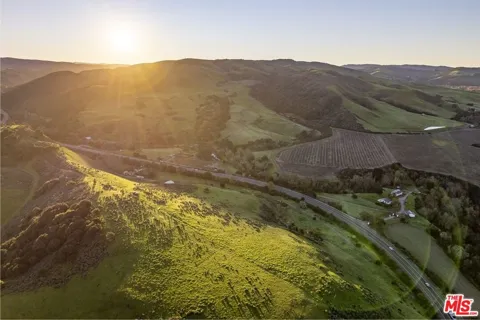
Lompoc is a city in Santa Barbara County, California, set in the Lompoc Valley on the Central Coast about 55 miles northwest of Santa Barbara. The area's history runs deep: it is part of the homeland of the Chumash people, whose Purisimeño language gave the city its name, and the valley became the site of Mission La Purísima Concepción, founded in 1787 and later rebuilt after an 1812 earthquake. That mission survives as La Purísima Mission State Historic Park, one of California's most completely restored mission sites and a central piece of the region's Spanish-colonial heritage. Modern Lompoc is defined by a distinctive mix of industries and identities. Vandenberg Space Force Base, whose origins reach back to a 1941 Army training camp and which became a missile and space launch installation in 1958, is the dominant employer and gives the city an aerospace character visible in its frequent rocket launches. At the same time, Lompoc is known as the "City of Arts and Flowers," a title earned by its more than 40 downtown murals and by a flower industry long considered among the nation's most productive. In recent decades, wine has joined the mix: Lompoc is the western gateway to the Sta. Rita Hills American Viticultural Area, and its "Wine Ghetto" — a cluster of tasting rooms in former industrial buildings — has become a notable wine-tasting destination. The city's population is roughly 43,800, and it is served by the Lompoc Unified School District, which covers Lompoc and the surrounding communities of Vandenberg Village, Mesa Oaks, Mission Hills, and the base itself. Highways 1 and 246 connect Lompoc to Santa Barbara to the south and San Luis Obispo to the north, while nearby Jalama Beach and Surf Beach provide access to the coast's surf and open shore. Lompoc suits people drawn to a grounded, working Central Coast city — aerospace employment, wine and flower country, mission history, and relatively approachable housing for Santa Barbara County — rather than the resort polish of the coast's more expensive cities.
Get more information about Lompoc
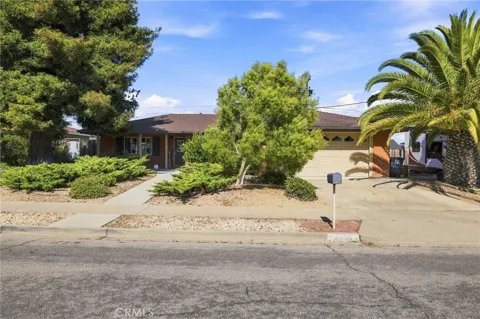
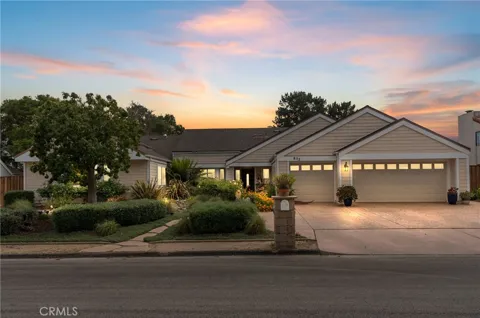
Houses in Lompoc, CA
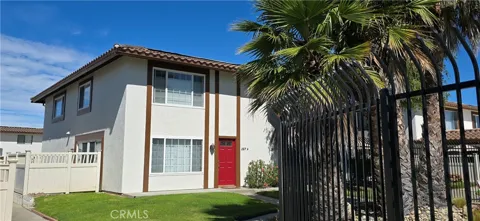
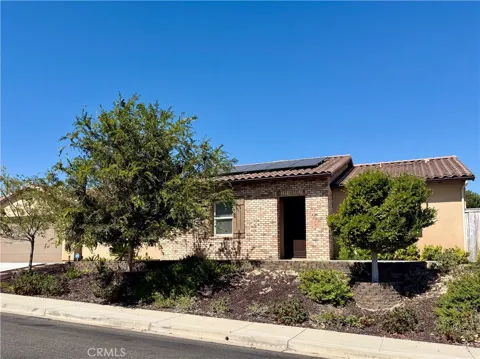
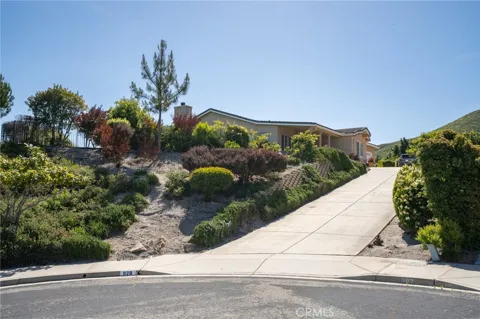
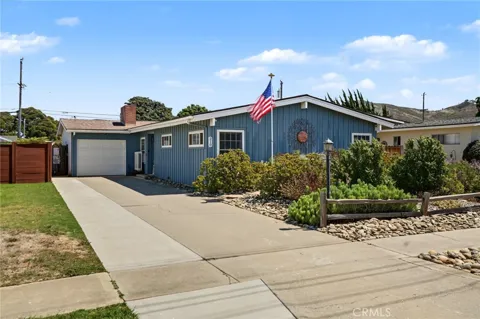
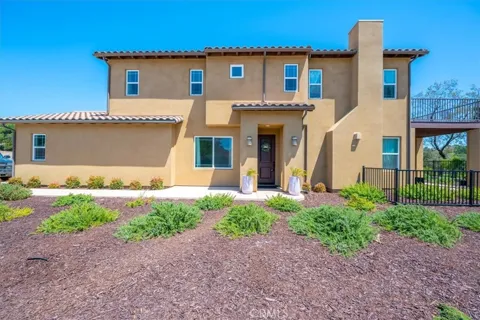
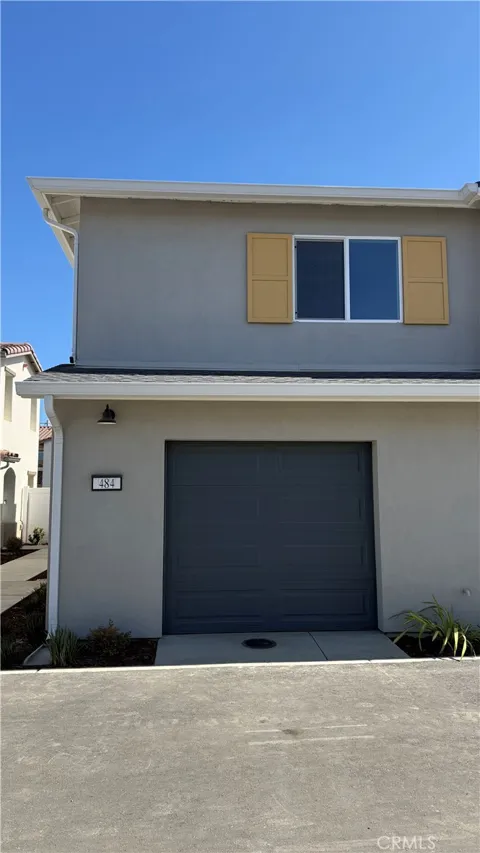
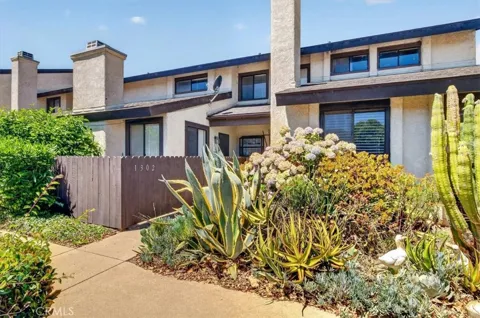
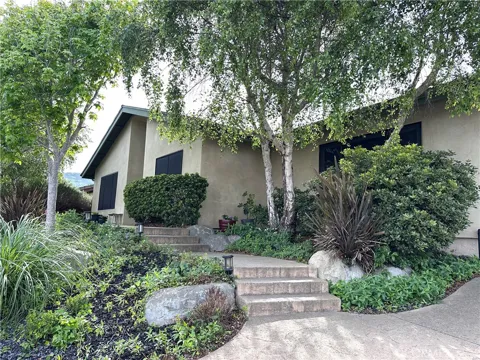
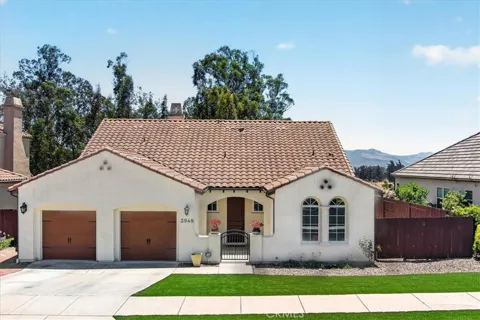
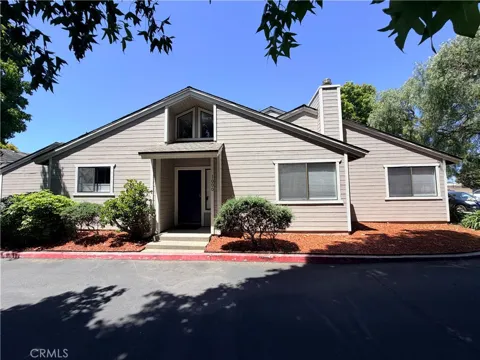
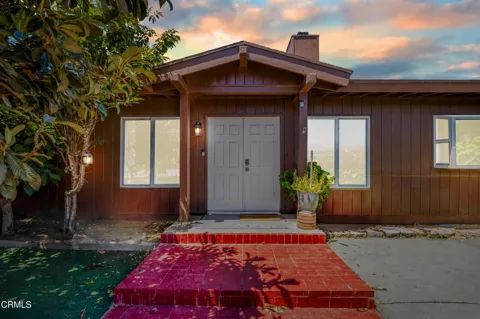
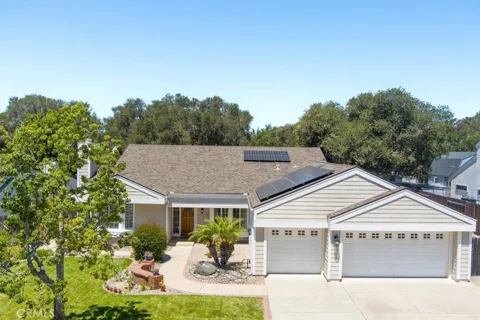
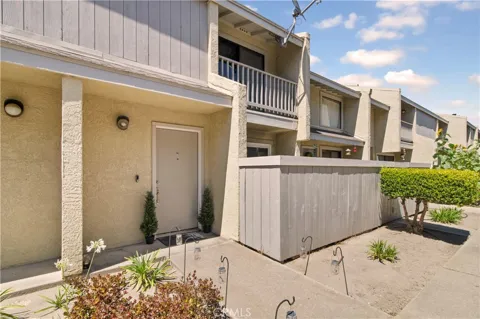
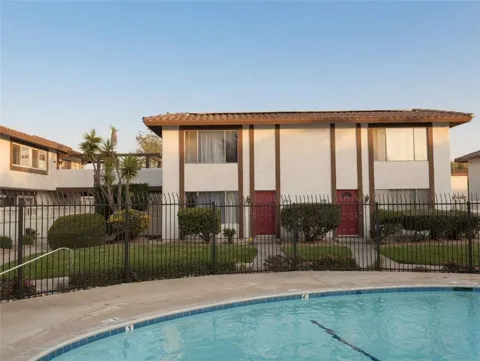
Townhouses & Duplexes in Lompoc, CA
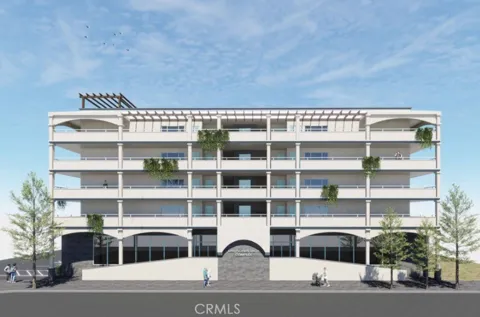
Condos & Apartments in Lompoc, CA
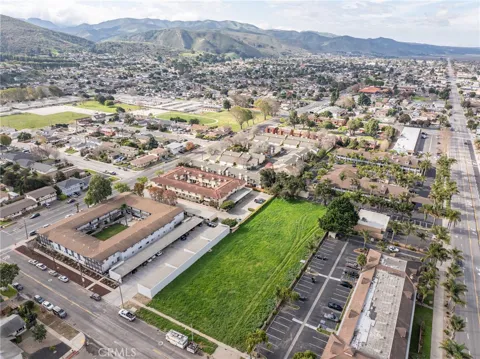
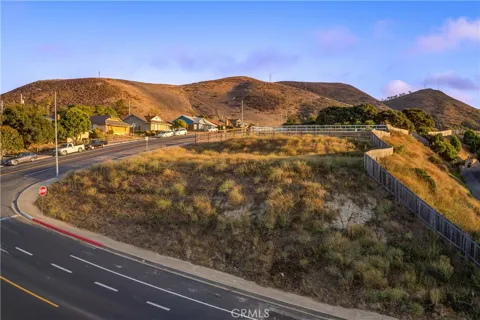
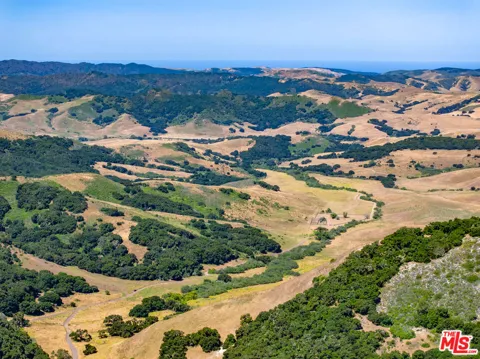
Lots & Land in Lompoc, CA
MARKET SNAPSHOT
The Market at a Glance
How homes have been selling here over the last 90 days.
Price & Sales History
Market data reflects closed sales over the last 90 days and is provided for informational purposes.
Zip Codes
BROWSE BY ZIP
Browse listings by postal code in this area.
City Guide
About Lompoc
Real Estate & Housing
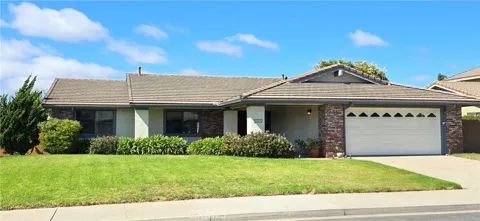
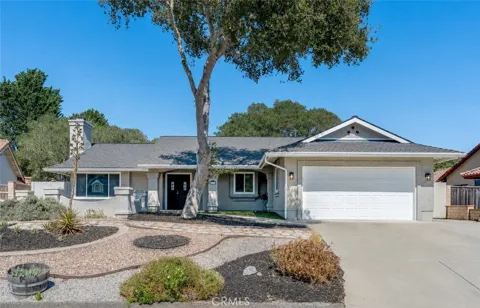
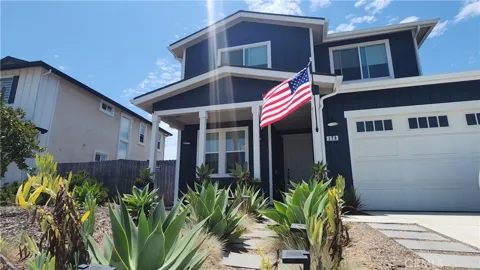
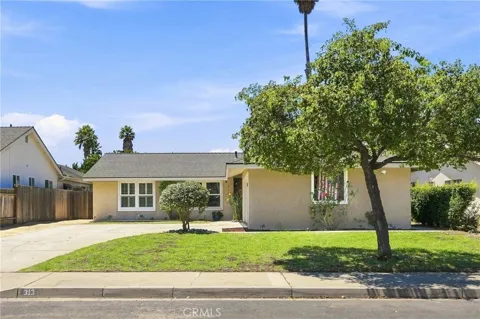
Lompoc's housing stock is a mix of established mid-century single-family homes, older downtown bungalows, and newer residential development serving the Lompoc Valley's workforce. Neighborhoods such as Vandenberg Village, built in part for the base community, offer planned subdivisions of ranch-style homes, while Mesa Oaks and Mission Hills provide more spacious suburban and semi-rural settings. The city has long been one of the more approachable corners of Santa Barbara County, a contrast to the coast's higher-priced cities, with a housing character shaped by the base, agriculture, and wine-country growth rather than resort development. Buyers find a range from close-in older homes to larger-lot subdivisions, all within the valley's mild coastal climate.
Neighborhoods
Lompoc's neighborhoods are anchored by the historic Old Town and downtown area, where the mural-lined commercial streets and older residential blocks sit close together. Vandenberg Village, north of the core, is a planned community developed in part for Vandenberg personnel, with its own schools and a tidy suburban layout. Mesa Oaks offers larger homes and a quieter, hillside setting, while Mission Hills lies just east along the route toward Highway 246. The city's southeast side blends toward the base and open valley land. Together these areas give Lompoc a clear structure — a compact, walkable center surrounded by mid-century subdivisions and semi-rural edges — with distinct choices for close-in urban living versus more spacious residential settings.
Lifestyle in Lompoc
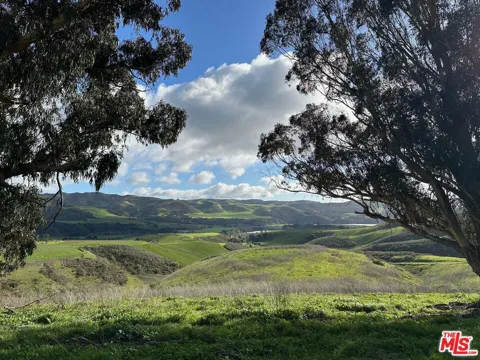
Lompoc blends a working-town feel with the pleasures of the Central Coast. The historic downtown is a walkable canvas of more than 40 murals, a reflection of the city's "City of Arts and Flowers" identity, and the surrounding valley is framed by flower fields, vineyards, and the rolling hills of the Sta. Rita Hills. The Lompoc Wine Ghetto has turned a cluster of industrial buildings into a dense, approachable wine-tasting district, while Vandenberg Space Force Base brings an aerospace and military presence that shapes the local rhythm — including the spectacle of rocket launches. Residents trade the polish of Santa Barbara for a more grounded, community-oriented city with beaches, wine country, and open space close at hand.
Schools & Education
Lompoc is served by the Lompoc Unified School District, a district that operates schools across the Lompoc Valley, including the communities of Vandenberg Village, Mesa Oaks, and Mission Hills, as well as Vandenberg Space Force Base. This broad service area makes the district the educational anchor for the entire valley rather than just the city, and it reflects the region's mix of military families, agricultural workers, and wine-country residents. The district's schools are woven into the community, with a student population that mirrors Lompoc's economic and demographic diversity. Families weighing the area also consider nearby Santa Barbara County school options, but Lompoc Unified is the default and defining system for most residents.
Getting Around
Lompoc sits at the junction of Highway 1 and Highway 246, two of the Central Coast's key arteries. Highway 1 runs north toward San Luis Obispo and south through the Gaviota coast toward Santa Barbara, while Highway 246 connects east to U.S. 101 and the Santa Ynez Valley. Santa Barbara is about 55 miles southeast, and Los Angeles roughly 155 miles south. The city is car-dependent, with no fixed-route rail station of its own; intercity rail and air service are available in Santa Barbara and the surrounding region. For many residents, the daily commute is local — to Vandenberg Space Force Base and the valley's employers — making Lompoc's road network and its position between two larger coastal cities the defining facts of getting around.
Parks & Recreation
Lompoc offers a broad Central Coast recreation menu. La Purísima Mission State Historic Park preserves the restored mission and its trails, while nearby Jalama Beach County Park, reached by a winding road off Highway 1, is a prized surf and surf-casting spot on a wild stretch of coast, and Surf Beach on Vandenberg provides additional shoreline access. The Sta. Rita Hills wine region and the downtown Wine Ghetto anchor a wine-tasting scene, and the surrounding valley supports hiking, cycling, birding, and golf. Rocket launches from Vandenberg add an unusual form of public spectacle. Together with flower-field drives and mural walks downtown, Lompoc's recreation is a blend of coast, countryside, mission history, and wine country that few Central Coast cities can match.
About Lompoc
Frequently asked questions
What county is Lompoc in?
Lompoc is in Santa Barbara County, California, on the Central Coast. It sits about 55 miles northwest of Santa Barbara and roughly 155 miles northwest of Los Angeles, positioned along Highways 1 and 246 in the Lompoc Valley, with San Luis Obispo to the north.
What is Lompoc known for?
Lompoc is known as the 'City of Arts and Flowers' for its more than 40 downtown murals and its long-running fresh-cut-flower industry. It is also known for Vandenberg Space Force Base, a major rocket launch site, and for the Sta. Rita Hills wine region and the Lompoc Wine Ghetto tasting rooms.
What is Vandenberg Space Force Base?
Vandenberg Space Force Base, formerly Vandenberg Air Force Base, is a military space launch installation adjacent to Lompoc. Its roots go back to 1941 as an Army training base, and it became a missile and space launch site in 1958. It is a defining employer and part of Lompoc's identity.
What school district serves Lompoc?
Lompoc is served by the Lompoc Unified School District, which operates schools in Lompoc and the surrounding communities of Vandenberg Village, Mesa Oaks, Mission Hills, and Vandenberg Space Force Base, giving it a broad service area across the Lompoc Valley.
How far is Lompoc from Santa Barbara?
Lompoc is about 55 miles northwest of Santa Barbara, reachable via Highway 1 or Highway 246 to U.S. 101. San Luis Obispo lies to the north. The city is car-dependent, with the nearest intercity rail and larger airport services in Santa Barbara and the surrounding region.
Still have questions about Lompoc?
Get in touchExplore the area