Modoc County Seat in the High Desert
Listings in Alturas, CA
Welcome to Alturas, the county seat and only incorporated city of Modoc County, set on the high desert of northeastern California where the Pit River meets the Warner Mountains.
Alturas is the county seat and only incorporated city of Modoc County, occupying a corner of far northeastern California where the Modoc Plateau meets the Warner Mountains. The city sits at roughly 4,370 feet above sea level at the confluence of the north and south forks of the Pit River, within the sparsely populated Shasta Cascade region. Modoc County's 2020 population of about 8,700 makes it the state's third-least-populous county, and Alturas — home to roughly 2,700 residents — functions as its administrative, commercial, and educational center. The settlement traces its origins to the mid-nineteenth century, when it was known as Dorrisville. When Modoc County was created in 1874, the community became its county seat, and it was formally incorporated as the city of Alturas in 1901. Construction of the Nevada-California-Oregon Railway depot in 1908 tied the town to regional timber and agricultural markets and spurred steady, if modest, growth. The economy has long rested on ranching, farming, and logging — industries that still shape the working landscape around the city today. Alturas remains a deliberately quiet, high-desert community. Historic storefronts line the downtown streets, and residential blocks and ranch properties spread outward toward open rangeland and the Pit River. Its isolation is part of its character: this is a place defined by wide skies, clean air, and the rhythms of a rural county seat rather than by metropolitan convenience. The Warner Mountains, part of Modoc National Forest, rise to the east and supply the snowmelt that feeds the Pit River as it threads through the valley — the same water that sustains the Modoc National Wildlife Refuge on the city's southeastern edge. For newcomers, the appeal lies in small-town schools, a walkable historic core, and direct access to public land. The city functions as the region's service hub, drawing shoppers and visitors from the surrounding ranch country and from travelers on U.S. Route 395, the high-desert highway that connects the community to the Oregon line and, to the south, toward Susanville and the Reno area. Alturas suits people who value self-reliance, open space, and a slower pace of life over urban convenience.
Get more information about Alturas
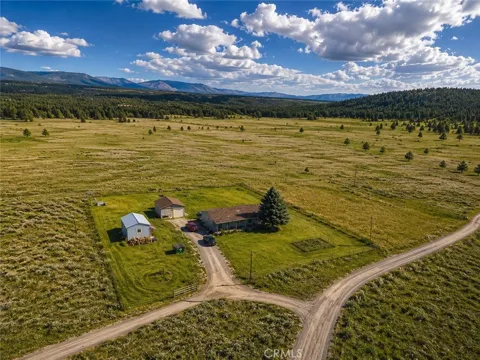
Houses in Alturas, CA
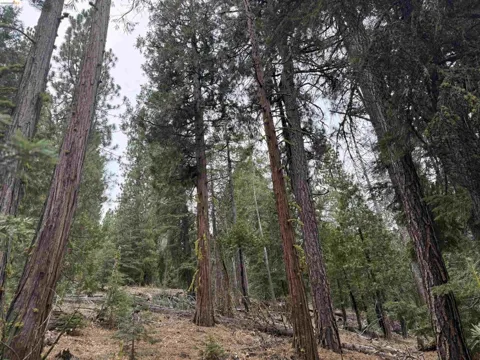
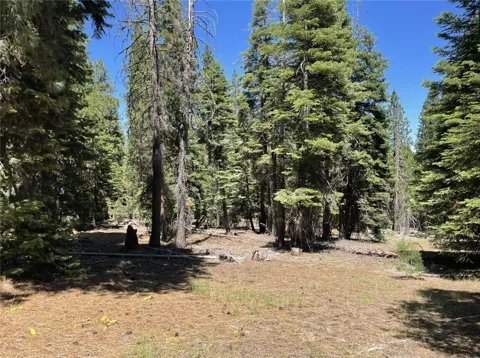
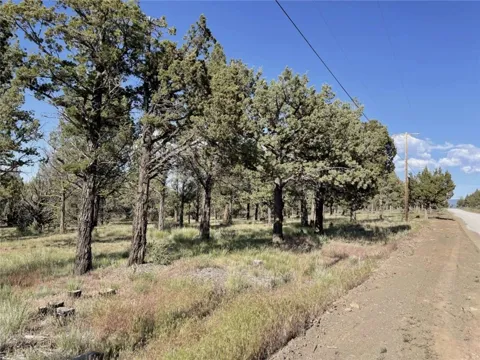
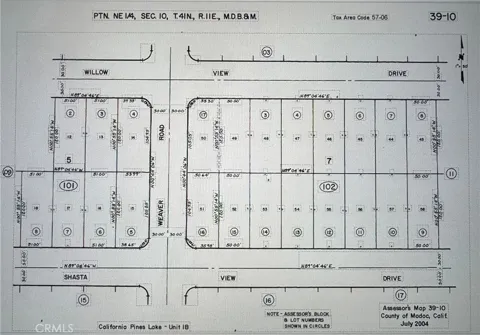
Lots & Land in Alturas, CA
MARKET SNAPSHOT
The Market at a Glance
How homes have been selling here over the last 90 days.
Price & Sales History
Market data reflects closed sales over the last 90 days and is provided for informational purposes.
Zip Codes
BROWSE BY ZIP
Browse listings by postal code in this area.
City Guide
About Alturas
Real Estate & Housing
Alturas's housing stock reflects its turn-of-the-twentieth-century origins and its ranching surroundings. Much of the city is made up of modest single-family homes, including older wood-frame residences near the historic downtown that date from the early 1900s, alongside mid-century houses on grid-pattern streets. Larger rural properties — homes with acreage, working ranches, and small homesteads — ring the city on the open Modoc Plateau. The overall character is that of a small, unhurried county seat, where lots tend to be larger than in California's coastal cities and new construction is limited. Buyers are drawn to the space, the historic downtown, and the mountain views rather than to a high-turnover market.
Neighborhoods
Alturas is compact enough that its neighborhoods blend into one another, but the city has a clear internal geography. The historic core centers on Main Street, where early twentieth-century commercial buildings and civic landmarks — including the Modoc County courthouse — anchor downtown. Older residential streets fan out from this center, while the city's edges transition into larger lots and open rangeland. To the east, the Warner Mountains rise beyond the city limits, and the South Fork of the Pit River defines part of the community's southern and eastern setting. The Nevada-California-Oregon Railway depot, a remnant of the rail era, stands as a local landmark.
Lifestyle in Alturas
Life in Alturas moves at the pace of its high-desert setting. Downtown's historic storefronts house local shops, cafés, and services, and community life revolves around schools, ranching, and the seasons rather than a busy retail or nightlife scene. The city's elevation and rural isolation mean notably clean air and dark night skies, and residents often describe the region's ranching culture as central to local identity. Community gatherings, agricultural traditions, and outdoor pursuits — hunting, fishing, and riding — structure the social calendar. For those who prefer quiet, self-reliant living with mountain views and public land nearby, Alturas offers a distinctive alternative to California's coastal population centers.
Schools & Education
Alturas is served by the Modoc Joint Unified School District, headquartered in the city and covering students across the county's elementary, middle, and high school grades. The district enrolls roughly 800 students across six schools, giving it a small-school character typical of rural Northern California. Modoc High School, located in Alturas, is the district's main secondary campus. The intimate scale of the district means relatively small class sizes and a close connection between the schools and the surrounding ranching community. Families relocating to Alturas typically enroll through Modoc Joint Unified, which operates the area's public K-12 programs.
Getting Around
U.S. Route 395 is Alturas's principal transportation corridor, running north-south through the city and linking the Modoc Plateau to the Oregon border to the north and toward Susanville and the Reno area to the south. The route doubles as the community's main commercial street through parts of town. Alturas's historic Nevada-California-Oregon Railway depot, built in 1908, recalls the rail era that first connected the community to regional timber markets. Because the city sits in a remote corner of California, most longer-distance travel is by car, and the nearest larger population centers are well over an hour away across high-desert and mountain highways.
Parks & Recreation
Outdoor recreation defines life around Alturas. The Modoc National Wildlife Refuge, managed by the U.S. Fish and Wildlife Service, lies just southeast of the city, where snowmelt from the Warner Mountains feeds the Pit River and creates a roughly 7,000-acre wetland oasis for migratory waterfowl — a destination for birdwatching, photography, and seasonal hunting. The Warner Mountains themselves rise to the east, part of Modoc National Forest, offering hiking, camping, and access to the South Warner Wilderness. The Pit River and nearby waters provide fishing, and the surrounding high-desert plateau supports dispersed recreation. The combination of refuge, forest, and open range gives Alturas an outsized share of public-land access.
About Alturas
Frequently asked questions
What county is Alturas in?
Alturas is in Modoc County, in the far northeastern corner of California, and serves as the county seat. It is the only incorporated city in the county, making it the region's administrative and commercial center.
What is the population of Alturas?
The 2020 U.S. Census recorded a population of about 2,700 people in Alturas, making it the county's largest community. Modoc County as a whole has roughly 8,700 residents, ranking it among California's least-populous counties.
What school district serves Alturas?
Alturas is served by the Modoc Joint Unified School District, which is headquartered in the city and operates public schools across Modoc County. The district enrolls roughly 800 students across six schools, including Modoc High School in Alturas.
What is the elevation of Alturas?
Alturas sits at about 4,370 feet above sea level on the Modoc Plateau, at the confluence of the north and south forks of the Pit River, with the Warner Mountains rising to the east.
What highway runs through Alturas?
U.S. Route 395 is the main highway through Alturas, running north-south and serving as the community's principal commercial corridor. It connects the Modoc Plateau to the Oregon border and, to the south, toward Susanville and the Reno area.
What outdoor recreation is near Alturas?
The Modoc National Wildlife Refuge lies just southeast of town along the Pit River, and the Warner Mountains and Modoc National Forest offer hiking, camping, and access to the South Warner Wilderness.
Still have questions about Alturas?
Get in touchExplore the area